“I used to walk up the gully with my dad—we were going up to watch the jumping. It was a big deal then.”
—Eddie Hunter
Listening to my dad recall a childhood memory of Norquay, I’m reminded this isn’t just his—it’s a thread through generations. My father is as old as Mount Norquay itself, but at that moment, he was a boy again, climbing the hill with wide-eyed anticipation, part of a culture that would shape ski history in the Canadian Rockies. The period Dad is recalling is the late 1930s, when he would climb the old ski-out to watch ski-jumping competitions. As I listen, I’m reminded of a quote from Sherpa Films’ The Mighty Quay: You don’t just ski Norquay, you inherit it.
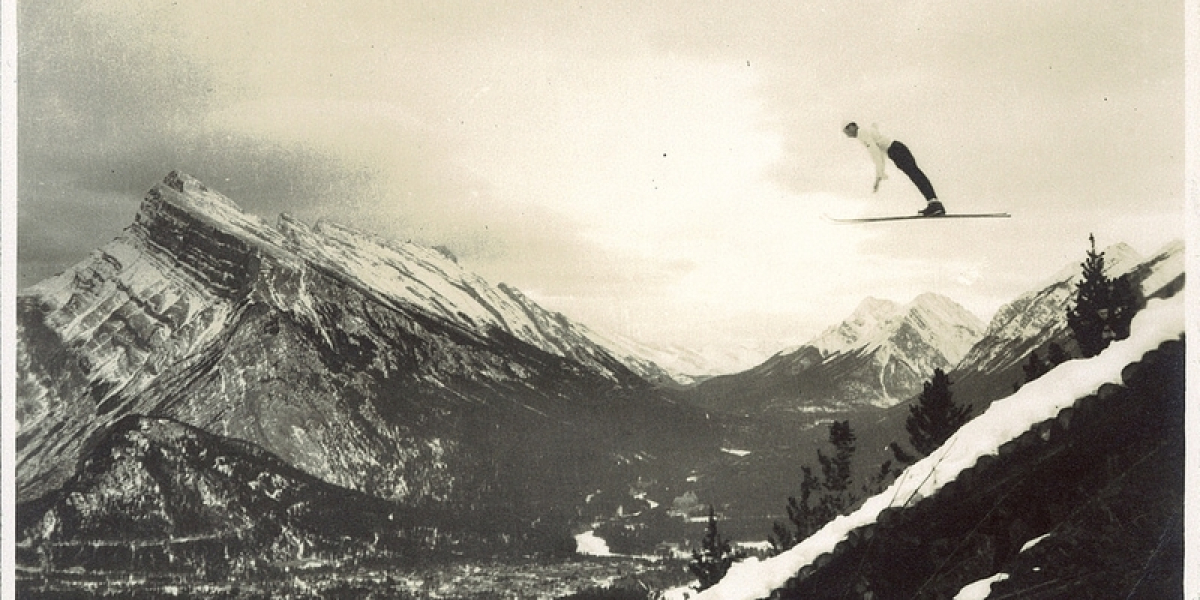
While Gus Johnson is credited with clearing the first slopes—making Norquay Alberta’s first ski area—it was Cliff White and Cyril Paris, founding members of the Banff Ski Club, who carried that vision forward by building the first ski jumps at Norquay. I’ve heard these names since I was a kid. I knew their children and even played with their grandchildren long before I understood how they were connected to the pioneers who shifted their gaze from the early jumps on Tunnel Mountain up to Norquay’s slopes. Now, as the hill marks its centennial, those names—and the people behind them—come fully into focus.
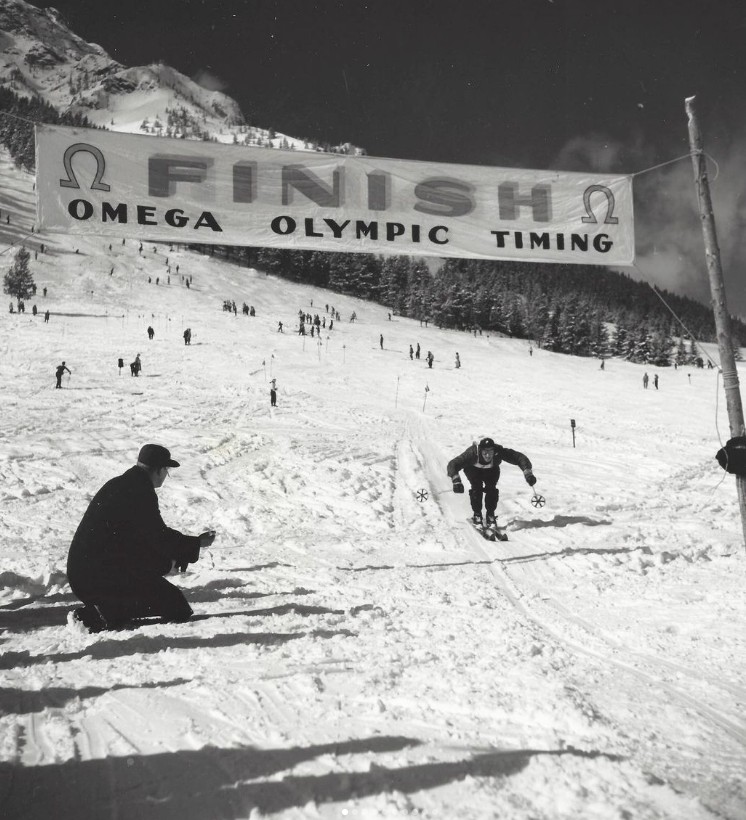
In the 1930s, ski jumping didn’t just make the hill a national showcase; it helped Banff emerge as a winter tourism destination. Thousands turned out for competitions, including the Dominion Ski Championships hosted by Norquay in 1937, 1940, and 1948. A Banff Olympic bid in 1959 ushered in modernization, with new judging towers and facilities that helped launch Canada’s top ski jumpers—and Norquay itself—into the spotlight for decades.
For someone who admired ski jumping as a kid, Dad eventually let his own competitive nature get the better of him. He tells a story from those years when he and his racing pals called the jumpers “wimps” and were promptly challenged to try it themselves. Dad recalls his friend Ross Maxwell yelling all the way down the inrun, then shouting, “I’m up!” as he launched off the B jump. Moments later came “I’m down,” as he hit the knoll—meaning he hadn’t gone very far—before being launched back into the air again, laughing and yelling, “I’m up again!”
I asked Dad how he did. From the way he tells it, Eddie wasn’t an eagle.
Like Ross Maxwell, ski jumping has experienced its ups and downs over the years. Though Norquay’s jumping infrastructure kept skiers flying for decades, the sport in general lost ground in the 1970s as alpine skiing boomed. In the early 1980s, while my ski-racing buddies and I burned through gloves on the Memorial Rope Tow, we began noticing more jumpers on the A and B jumps. Around 1983–84, a formal ski-jumping program for the Banff Ski Runners sprang up, led by Roy Anderson—who also helped organize the 1988 Calgary Olympic jumping events—and 1976 Olympian Richard Grady.
Local jumper Kirk Allen recalls, “Roy had so much passion for the sport, and that first lesson I’ll never forget!” Kirk went on to make the 1992 Olympic team. Gregor Linsig, despite injuries, later coached Canadian and U.S. national teams at multiple Olympics.
The following year, Vancouverite and former national team member Tommy Thompson took the reins as head coach of the Banff Ski Runners, and later the Alberta Team, a role he held until 1990. The Norquay jumps propelled local athletes onto the international stage but as Thompson explains, not without extraordinary community support.
“Parents including Craig Allen and George Capel helped the kids train almost daily. By the second year, young jumpers like Kirk Allen and Colin Capel were already among the top in Canada for their ages.”
By 1992, as the sport’s popularity waned, the Norquay jumps ceased operation. Reflecting on that era, Thompson says:
“It’s sad to see the decline of ski jumping in Canada, but I have amazing memories of my years as Alberta team coach and those years in Banff.”
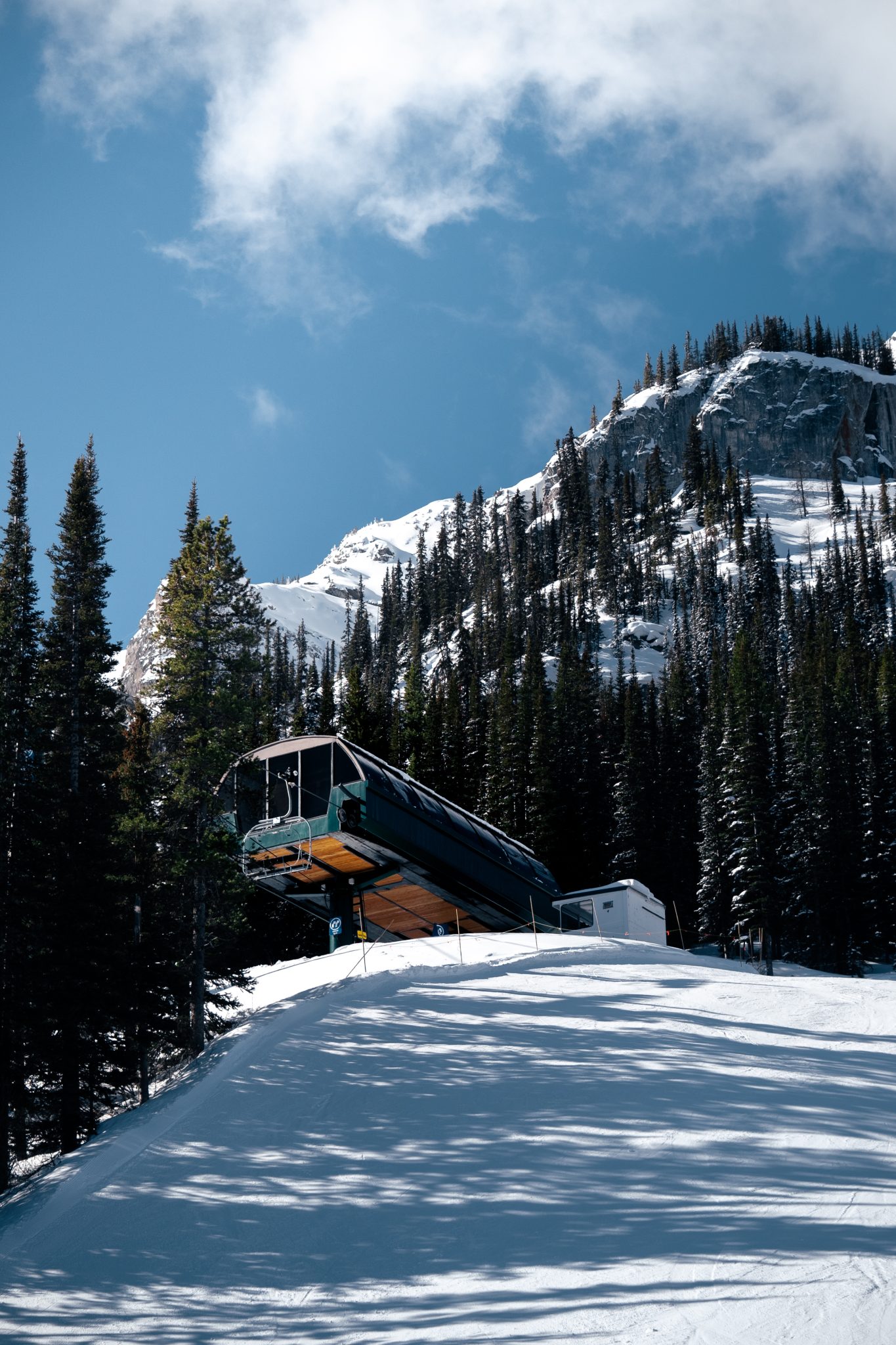
Norquay’s judging towers aren’t just relics—they’re about to take flight again in preserving ski-jumping heritage. Stay tuned.